Review: Ethnic Floral Embroidery Rug Pattern for Merch
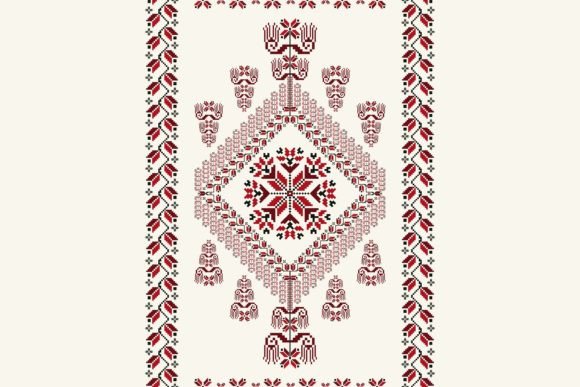
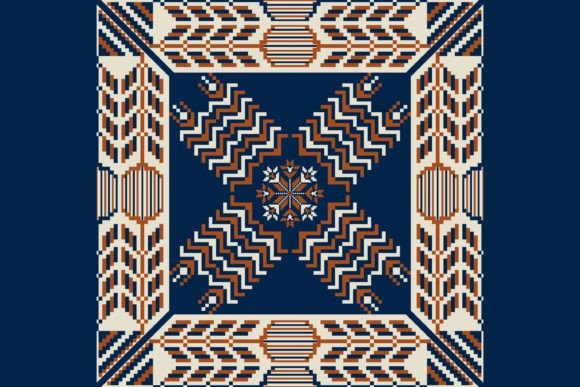
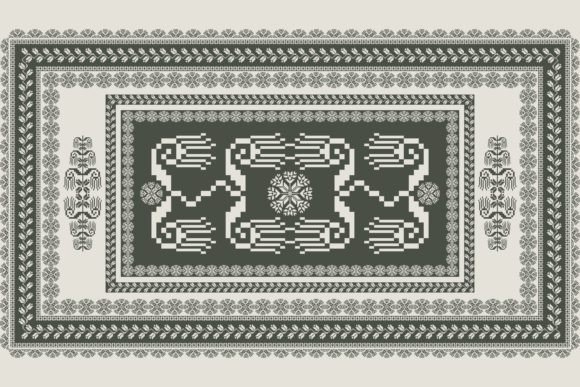
As an embroidery designer who has spent years digitizing files for small businesses, I approach every new machine embroidery design with a critical eye. It is not just about whether the art looks pretty on a screen; it is about how it translates to thread, how it holds up on fabric, and ultimately, how it serves the brand identity of the client. Recently, I evaluated the Ethnic Floral Embroidery Rug Pattern, a vector abstract ethnic floral embroidery geometric monochrome pattern. While the product description highlights its use for carpets, rugs, wall tapestries, and upholstery, my focus was strictly on its viability for small business merchandise and branded patch applications.
First Impressions: Visual Personality and Professionalism
The first thing that strikes you about the Ethnic Floral Embroidery Rug Pattern is its sophisticated restraint. The monochrome gray palette suggests elegance and modernity rather than playful chaos. For a boutique owner or a creative studio, this signals a premium, handmade aesthetic. It feels rustic yet refined, avoiding the trap of looking too digital or mass-produced. The geometric nature of the floral elements provides structure, which is crucial when you are trying to convey professionalism through your design assets.
However, because this is categorized under Patterns and Graphics intended for large-scale home decor like tablecloths and cushions, we must adapt our expectations. A rug pattern is typically dense and repetitive. When shrinking this down for a chest logo or a sleeve detail, the intricate geometric lines could easily become a muddy mess if not handled correctly. The visual personality is bold and decorative, but it requires careful scaling to maintain clarity on smaller items like caps or tote bags.
Real-World Business Applications
For small business owners, especially those in the hospitality or retail sectors, consistency is key. Imagine a local café or a high-end florist looking to elevate their staff uniforms. Using the Ethnic Floral Embroidery Rug Pattern as an accent on apron embroidery can transform a standard work uniform into a statement piece. The abstract floral motif adds a touch of organic warmth that aligns well with brands focused on natural products or artisanal goods.
Beyond uniforms, consider the potential for embroidered patches. A well-digitized version of this pattern could serve as a distinctive badge for a handmade product line. Etsy sellers often look for unique motifs that differentiate their handmade product offerings from generic competitors. This design, with its ethnic flair, could be stitched onto tote bag designs, creating a memorable unboxing experience for customers. It also works exceptionally well for event merch, where a subtle, textured background pattern can add depth to promotional items without overwhelming the primary logo.
For apparel decorators, this pattern offers versatility. It can be used as a sleeve detail on work shirts, providing a cohesive look that ties back to the brand’s interior design or packaging. When used on custom apparel, the geometric repetition creates a sense of movement and quality that cheap prints simply cannot replicate.
Critical Considerations for Production
While the aesthetic appeal is strong, there are technical hurdles to address before committing to production. Since the source material is a vector graphic intended for large surfaces like rugs and mats, the stitch density is a major concern. High stitch density on a small area can cause fabric puckering, especially on lightweight materials used for t-shirts or linings.
You must be cautious when applying this design to curved surfaces like cap embroidery. The rigid geometric lines may distort if the hoop size is not perfectly matched to the cap’s curvature. Additionally, tiny lettering or fine outlines within the floral geometry might get lost if the thread colors do not have sufficient contrast against the fabric texture. Dark uniforms, such as navy or black aprons, will require lighter thread colors to ensure the pattern remains visible, whereas light canvas tote bags might need darker threads for definition.
Another factor is durability. Items like aprons and work shirts undergo frequent washing. If the stitch density is too low, the pattern may fray over time. Conversely, if it is too high, the fabric may tear. It is essential to test the design on the actual fabric you plan to use. Textured fabric, such as heavy canvas or denim, can hide minor imperfections, but smooth cottons will reveal every gap in the stitching.
Impact on Brand Identity and Customer Trust
Using a distinct pattern like the Ethnic Floral Embroidery Rug Pattern contributes significantly to brand recognition. When customers see consistent, high-quality embroidery across your small business merch, it builds trust. It signals that you care about the details, which translates to perceived value in your core products. A beautifully embroidered patch on a package or a subtle design on a thank-you card can turn a one-time buyer into a loyal advocate.
Visual consistency is vital. If your shop has a rustic, ethnic vibe, this pattern reinforces that narrative. It helps create a cohesive brand story that extends beyond the product itself to the entire customer experience. For creative studios and bakeries, this kind of attention to detail in commercial embroidery projects can justify higher price points and enhance the overall perceived quality of the brand.
Practical Designer Notes for Implementation
Before you purchase the digital embroidery file or begin production, follow these practical steps to ensure success:
- Test in Black and White: Convert the design to grayscale on your screen first. If the geometric details disappear in monochrome, they will likely get lost in thread. This helps verify if the contrast is sufficient.
- Check Scalability: Ensure the design works at small patch sizes. Zoom in to 50% or 25% to see if the abstract floral elements remain distinct or if they merge into a blob.
- Review Thread Color Contrast: Select thread colors that stand out against your base fabric. For a monochrome look, consider using different shades of gray or metallic threads for a premium finish.
- Inspect Spacing and Density: Look for areas where stitches might overlap excessively. Adjust the density settings in your digitizing software if necessary to prevent puckering.
- Confirm Hoop Size: Match the design dimensions to your available hoop size. Do not attempt to force a large pattern into a small hoop without resizing, which can distort the geometry.
- Use Proper Stabilizer: Choose a stabilizer that complements your fabric weight. Cut-away stabilizers are often better for items that will be washed frequently, while tear-away works for stable, non-stretch fabrics.
- Create a Printable Mockup: Before stitching, generate a printable mockup to visualize the placement on aprons, caps, or totes. This helps in client approval and ensures the design sits correctly on the garment.
- Verify Commercial Licensing: Always confirm the license terms associated with the embroidery file. Ensure you have the rights to use the design for commercial purposes, including selling finished products.
In conclusion, the Ethnic Floral Embroidery Rug Pattern is a versatile asset for designers willing to put in the technical legwork. It is not a plug-and-play solution for every application, but with proper testing and adjustment, it can elevate your finished product and strengthen your brand identity. Treat it as a serious design element, respect the limitations of the medium, and it will serve your small business well.