Reviewing Mouse Pad 3D Rose Embroidery for Boutique Apparel
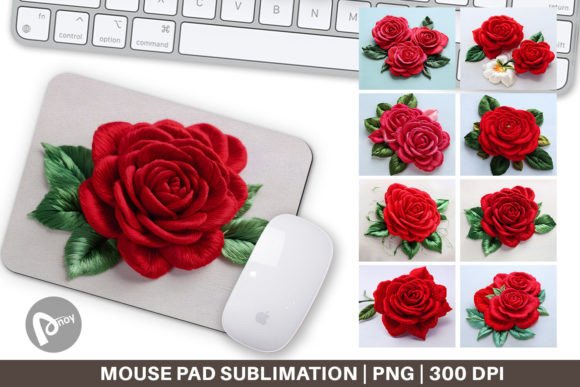
As an embroidery designer who has spent years digitizing patterns and managing production runs for small clothing brands, I approach every new machine embroidery design with a critical eye. We are not just stitching thread into fabric; we are building brand identity. Recently, I evaluated a digital asset titled Mouse Pad 3D Rose Embroidery for a potential application on a premium sweatshirt collection. While the product metadata categorizes it under Backgrounds and Graphics, describing it as a sublimation mouse pad file, my focus was strictly on its aesthetic potential for textile application. Can a design intended for a desk accessory translate into high-end apparel? Let’s dive into the design evaluation.
First Impressions: Mood and Aesthetic Potential
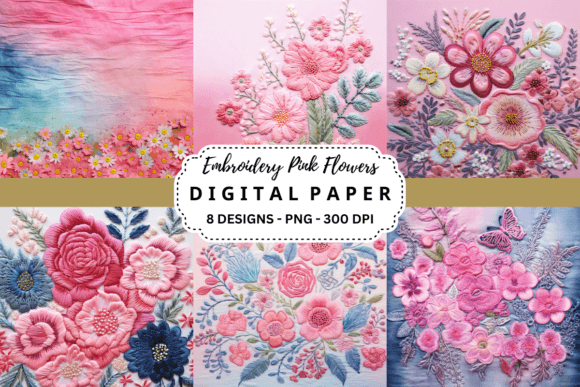
The title Mouse Pad 3D Rose Embroidery suggests a specific visual language: depth, dimension, and floral elegance. In the world of custom apparel, roses are a timeless motif, but the "3D" descriptor is what catches my attention. For a boutique brand, we need designs that pop off the fabric without looking cheap or overly saturated. My initial assessment of the visual layout indicates a bold, decorative style. It feels less like a minimal line-art piece and more like a statement centerpiece.
If we were to adapt this graphic concept into a stitched format, the mood leans heavily toward feminine, romantic, and slightly rustic. It is not playful in a cartoonish sense, nor is it starkly modern. Instead, it carries a vintage-inspired weight that pairs beautifully with cozy seasonal apparel. For a small online shop preparing a limited drop, this kind of imagery can evoke a sense of nostalgia and comfort, which are powerful drivers for consumer engagement.
Translating Graphics to Sweatshirt Embroidery
The core challenge here is translation. The source material is described as a PNG file intended for sublimation on a mouse pad. However, for us as Etsy sellers and apparel decorators, the visual composition is what matters. Imagine placing this rose motif on the chest of an oversized hoodie. The "3D" aspect implies shading and layering. In embroidery, we achieve this through careful thread color blending and varied stitch angles.
On neutral sweatshirts, such as heather grey or oatmeal, a rose design with strong contrast would stand out dramatically. If the original graphic features deep reds or soft pinks, these thread colors would sing against a muted background. For dark fabric, like charcoal or navy, we would need to ensure the design has enough light-valued threads to prevent it from disappearing into the void. Pastel colors offer a different vibe; a soft blush rose on a mint green hoodie creates a sweet, spring-ready aesthetic that appeals to a younger demographic.
Sleeve accents are another viable option. A smaller, simplified version of this rose could work as a cuff detail, adding a touch of sophistication to an otherwise basic garment. This transforms a standard wholesale blank into a unique handmade product that commands a higher price point.
Technical Considerations for Commercial Production
Before running this design on a multi-needle machine, several practical concerns must be addressed. Since the provided description mentions receiving PNG files rather than a native embroidery file format like PES or DST, digitization is the first step. This is crucial. A raster image cannot be stitched directly; it must be converted by a skilled digitizer who understands stitch density and pull compensation.
Fabric texture plays a massive role here. Sweatshirts and hoodies are typically made from heavy cotton blends or fleece. These fabrics have a nap and significant thickness. If the stitch density is too high, the fabric will pucker, and the needle may break. If it is too low, the backing stabilizer will show through, ruining the premium look. For a design labeled "3D," we might consider using foam underlay to create actual physical dimension, mimicking the visual depth suggested by the title.
Hoop size is another constraint. A large, detailed rose requires a substantial hoop, likely 5x7 inches or larger, to capture the intricacies without excessive joining seams. For smaller placements, the design must be simplified to maintain readability. Complex shading in a small 2-inch circle often turns into a muddy mess of thread. Therefore, scaling the design appropriately for its intended location—whether it is a large back design or a small chest logo—is vital for professional results.
Furthermore, washing durability is non-negotiable for commercial apparel. Dense satin stitches can snag, while fill stitches hold up better to frequent laundering. Testing the finished product through multiple wash cycles is essential to ensure the thread colors do not bleed and the structural integrity remains intact. Choosing the right stabilizer, such as a cut-away for stretchy fleece, will ensure the design lays flat and does not distort over time.
Brand Identity and Market Value
Why go through the trouble of adapting a graphic titled Mouse Pad 3D Rose Embroidery for clothing? Because unique visuals drive sales. In a saturated market, generic designs fail to capture attention. A distinctive rose motif can become a signature element of your boutique brand. It aids in visual recognition; customers begin to associate that specific floral style with your shop.
When creating printable mockup previews for your Etsy listings, the perceived value of the item increases significantly with high-quality embroidery photography. The texture of the thread adds a tactile element that digital prints cannot replicate. This perceived craftsmanship builds buyer trust. Customers are willing to pay more for items that look hand-finished and durable.
Moreover, this design can serve as a versatile asset across your product line. Beyond sweatshirts, consider tote bags, caps, or even home decor items like throw pillows. This cross-category application maximizes the return on investment for your digitizing efforts. It allows you to create a cohesive collection that tells a story, enhancing customer engagement and encouraging repeat purchases.
Final Verdict for Designers and Makers
While Mouse Pad 3D Rose Embroidery originates as a graphic for desk accessories, its visual components hold significant promise for the apparel industry. For the experienced designer, it represents a canvas for creativity. It challenges us to think about how light, shadow, and texture can be replicated with thread. However, success depends entirely on execution.
Remember, the product description specifies PNG files. You will need to invest in professional digitizing services or software to convert these graphics into a usable digital embroidery file. Do not assume the stitch count or optimal hoop size; these must be determined during the digitizing process based on your specific machine capabilities and fabric choices. Always request a test stitch-out before committing to a full production run.
For small shop owners and creative entrepreneurs, this design offers a pathway to differentiate your offerings. By applying rigorous technical standards and a keen eye for aesthetic harmony, you can transform a simple floral graphic into a coveted piece of wearable art. Whether used for a bold back print or a subtle sleeve accent, the key is maintaining the integrity of the design while respecting the limitations of the medium. With careful planning and quality materials, this rose motif can elevate your next collection from ordinary to exceptional.