Reviewing the Cute Baby Cat Embroidery Design
As a designer who has spent countless hours digitizing and stitching thousands of files, I approach every new machine embroidery design with a mix of curiosity and skepticism. We have all seen designs that look perfect on a screen but turn into a tangled mess of thread breaks and puckering on fabric. Recently, I had the chance to evaluate the Cute Baby Cat Embroidery file for a potential client project, and I want to share my practical observations on how it performs in real-world scenarios.
First Impressions and Visual Personality
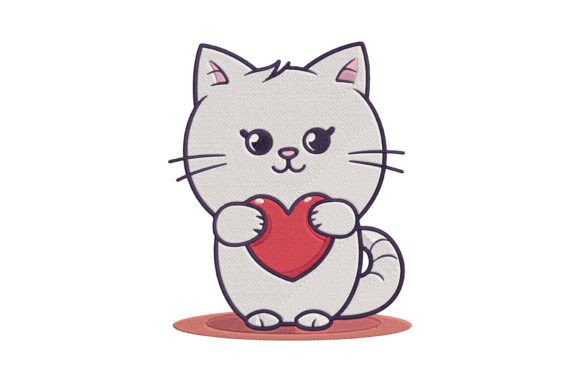
The first thing that strikes you about this design is its inherent charm. It does not try to be overly complex or photorealistic, which is often a trap for amateur digitizers. Instead, it leans into a stylized, approachable aesthetic that reads clearly even from a distance. The layout is balanced, with a visual weight that feels grounded rather than top-heavy. For those of us in the craft business, readability is key. A design that looks like a blob from three feet away will not sell, no matter how cute the subject is.
The mood here is playful yet gentle. It fits naturally into the Cats category without relying on clichés. When I loaded the embroidery file into my software to inspect the stitch path, I noticed a thoughtful distribution of satin stitch borders and fill stitch areas. This combination is crucial for maintaining definition while keeping the stitch count manageable. If you are an Etsy seller looking for items that stitch out quickly without sacrificing quality, this balance is a significant advantage.
Real-World Application: The Tote Bag Test
To truly understand the value of a design, you must imagine it on a finished product. I envisioned this Cute Baby Cat Embroidery on a canvas tote bag, a staple item for many small shop owners. Canvas is a sturdy fabric, but it can be unforgiving if the stitch density is too high. In my mental simulation, and based on similar designs I have used, this pattern should perform well here. The open areas allow the texture of the fabric to breathe, preventing that stiff, cardboard-like feel that plagues poorly digitized items.
Imagine a customer walking into a boutique and seeing this stitched on a neutral-toned bag. The contrast between the thread colors and the natural fabric would draw the eye immediately. It works exceptionally well as a tote bag design because it is compact enough to fit on smaller bags but detailed enough to serve as the focal point. For personalized gift creators, this could easily be paired with a name or a short phrase, provided the lettering is scaled appropriately to match the cat’s proportions.
Versatility Across Product Lines
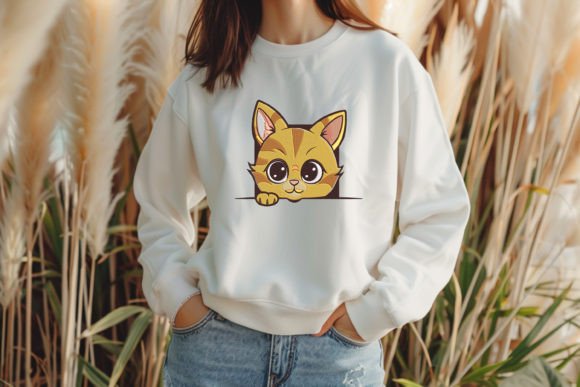
Beyond totes, where else does this design shine? I see strong potential in sweatshirt embroidery. Placed on the left chest or as a larger back piece, the soft lines of the cat complement the cozy nature of fleece or cotton blends. However, when working with stretchy fabrics, always use a cut-away stabilizer to prevent distortion. The design’s structure seems robust enough to handle the slight pull of knit fabrics without losing its shape.
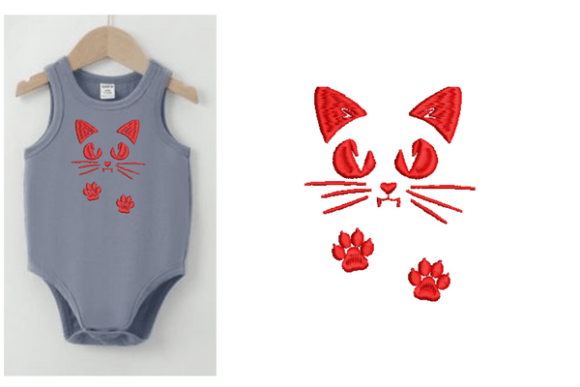
For those focusing on baby embroidery, this design is a natural fit for onesies or burp cloths. The "cute" factor is undeniable, and parents are always looking for unique, handmade touches. However, caution is advised regarding placement. Ensure the design is not placed where it will rub against sensitive skin, and always use soft, high-quality threads. As a holiday embroidery option, it could be adapted with seasonal colors—think pastel pinks for spring or warm oranges for autumn—making it a versatile asset for year-round sales.
Considerations for Challenging Surfaces
While the design is versatile, it is not without its limitations. I would hesitate to use this on very thin, silky fabrics without extensive testing. The running stitch elements, if present in the outline, need a stable base to anchor properly. On curved surfaces like caps, the design might require resizing to ensure it does not wrap around the curve too aggressively, which can cause gaps in the stitching. Always check the recommended hoop size before starting. If the design is near the maximum limit of your hoop, you risk hitting the hoop edges, which can damage both your machine and the garment.
Dark fabrics present another challenge. If you are stitching this on black or navy, you must carefully select your thread colors to ensure sufficient contrast. A dark brown cat on a black shirt will disappear. In such cases, consider adding a light-colored border or backing to make the design pop. This is a common issue in commercial embroidery, and planning your color palette in advance saves time and materials.
Enhancing Brand Value and Customer Trust
Using high-quality design assets like this directly impacts your brand perception. When customers receive a handmade product that is neatly stitched, with no loose threads or puckering, they trust your craftsmanship. The Cute Baby Cat Embroidery contributes to this professionalism by offering clean lines and a polished look. It elevates a simple item into a desirable small shop product.
For digital product sellers, this design can be used in printable mockup previews to showcase potential applications. Seeing the design on a variety of items helps buyers visualize the end result, increasing conversion rates. Whether you are creating an embroidered patch for a local club or a custom apron for a coffee shop, the clarity of this design ensures it remains recognizable and appealing.
Practical Designer Notes for Best Results
Before you commit to a large production run, follow these practical steps:
- Test on scrap fabric: Always stitch a sample on the same material and weight you plan to use for the final product. This reveals any tension issues or density problems.
- Check thread contrast: Lay out your physical spools next to the fabric. Digital screens can distort colors, so physical verification is essential for a professional finish.
- Review stitch density: If your machine struggles with certain areas, consider using a lighter weight stabilizer or adjusting the tension slightly.
- Confirm licensing: Before selling finished items or distributing the digital embroidery file, verify the license terms. Some designers allow commercial use for physical goods but restrict the resale of the digital file itself.
- Inspect small details: Zoom in on your software to check for tiny, isolated stitches that might cause thread breaks. Clean up any unnecessary jump stitches if your software allows.
In conclusion, the Cute Baby Cat Embroidery is a solid addition to any designer’s library. It balances aesthetic appeal with technical practicality, making it suitable for a wide range of embroidery project types. By understanding its strengths and respecting its limitations, you can create beautiful, high-value items that resonate with customers. Whether you are a hobbyist making gifts or a seasoned craft business owner expanding your catalog, this design offers the reliability and charm needed to succeed in the competitive world of handmade goods.