Reviewing Train Machine Embroidery for Gifts
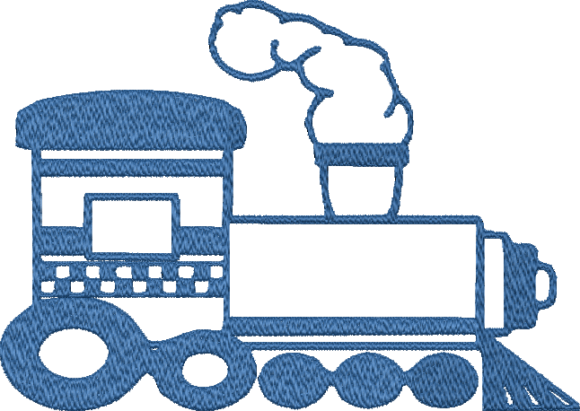
As an embroidery designer who has spent years testing digital files for real-world application, I approach every new machine embroidery design with a mix of excitement and skepticism. We all know that what looks perfect on a screen does not always translate beautifully to fabric. Recently, I had the opportunity to test the Train Machine Embroidery design, and I wanted to share my practical insights for fellow crafters, Etsy sellers, and small business owners looking to expand their personalized gift offerings.
The first impression of this design is undeniably charming. It captures a whimsical mood that feels both nostalgic and fresh. For those of us in the Travel and Embroidery niche, finding a motif that balances playful energy with clean lines is rare. This design manages to evoke childhood memories without feeling cluttered or overly complex. The aesthetic is sweet yet structured, making it versatile enough for a variety of handmade products. Whether you are aiming for a modern nursery look or a classic family keepsake, the emotional appeal here is strong. It feels like a hug stitched in thread.
Perfect Applications for Personalized Products
When planning inventory for a small shop product line, versatility is key. I tested this embroidery file on several different substrates to see where it truly shines. The most obvious application is baby embroidery. Imagine this train chugging across a soft muslin swaddle or a high-quality cotton onesie. The customizable feature mentioned in the product description allows you to infuse a precious name or date, turning a simple item into a cherished heirloom.
Beyond baby items, this design works exceptionally well for home decor. I stitched it onto a linen pillow cover, and the result was delightful. The contrast between the structured train and the natural texture of the linen added depth to the finished product. It also performs beautifully on kitchen textiles. An embroidered towel featuring this train makes for a unique housewarming gift or a cheerful addition to a child’s bathroom. For larger surfaces, such as a tote bag or a canvas apron, the design holds its own, providing a focal point that draws the eye without overwhelming the fabric.
For wedding gift designers, this might seem like an unconventional choice, but consider a "something blue" theme or a gift for a couple starting their journey together. The travel motif subtly hints at adventure and new beginnings. When paired with elegant script lettering, it transforms from a childish motif into a sophisticated custom embroidery piece suitable for a bridal shower or engagement present.
Navigating Technical Challenges and Fabric Choices
While the design is charming, practical execution requires attention to detail. Not every fabric behaves the same way, and understanding these nuances is crucial for maintaining high standards in your handmade product line. One area where caution is needed is with textured fabric. Highly textured materials like terry cloth or thick waffle weave can obscure the finer details of the train. If you are creating an embroidered towel, ensure you use a sufficient cut-away stabilizer to prevent the stitches from sinking into the pile.
Stretchy baby clothes present another challenge. Knits require careful hooping and the right stabilizer to prevent puckering. I recommend using a lightweight fusible stabilizer on the back of stretchy garments before embroidering. Additionally, when working with dark fabric, you must check thread color contrast carefully. A pastel thread on navy blue may get lost, so opt for brighter, saturated thread colors to ensure the design pops. Always compare light and dark fabric mockups before finalizing your product listings.
Small lettering and delicate details can also be tricky if the stitch density is too high or too low. Since the product description notes that this design is destined for intricate embroidery work, it is vital to review the stitch density settings in your software if you have the capability to edit them. If you are using the file as-is, test on scrap fabric first. Check the small details after stitching to ensure they are crisp and not merged together. This step is essential for maintaining the perceived value of your custom embroidery.
Boosting Perceived Value and Customer Trust
From a business perspective, the quality of your embroidery directly impacts customer trust. A well-executed Train Machine Embroidery design signals professionalism and care. When buyers see clean edges, proper tension, and thoughtful placement, they are more likely to engage with your brand. This emotional connection is what turns a one-time buyer into a loyal customer.
Product photography plays a huge role here. A printable mockup can help visualize the design, but nothing beats photos of the finished product. Capture the texture of the thread and the softness of the fabric. Show the item in use—a child holding the blanket, or the towel hanging in a sunny kitchen. These images help Etsy sellers and digital product sellers convey the warmth and quality of their work. High-quality visuals combined with a well-stitched design increase buyer engagement and justify premium pricing.
Practical Tips for Successful Execution
To ensure the best results with this design, follow these practical steps before fulfilling customer orders:
- Test on scrap fabric: Always run a test stitch-out on the same type of fabric you plan to use for the final product. This helps you identify any tension issues or registration errors.
- Check thread color contrast: Ensure your thread choices stand out against the background fabric. Use a color chart to preview combinations before threading your machine.
- Confirm hoop size: Verify that the design fits comfortably within your hoop, leaving enough margin for secure hooping. Do not crowd the edges.
- Review stitch density: If possible, analyze the stitch count and density. High-density areas may require additional stabilizer support to prevent fabric distortion.
- Use proper stabilizer: Match your stabilizer to your fabric. Cut-away for knits and stretchy materials, tear-away for stable wovens, and wash-away for sheer or delicate fabrics.
- Check small details after stitching: Inspect the finished sample for any loose threads or merged elements. Trim carefully to enhance the definition of the design.
- Confirm commercial licensing: Before selling finished products, verify the license terms associated with the digital embroidery file. Ensure you have the rights to use the design for commercial embroidery purposes.
In conclusion, the Train Machine Embroidery design is a valuable addition to any crafter’s library. It offers a blend of whimsy and elegance that appeals to a wide range of customers, from new parents to wedding gift shoppers. By paying attention to fabric texture, stabilizer choice, and thread contrast, you can create stunning personalized gifts that stand out in the marketplace. Whether you are an experienced embroidery designer or just starting your small business, this design offers the potential for beautiful, meaningful creations. Remember to always prioritize quality control and customer satisfaction in every stitch.