Reviewing Embroidery Alphabet and Numbers Cliparts for Real Projects
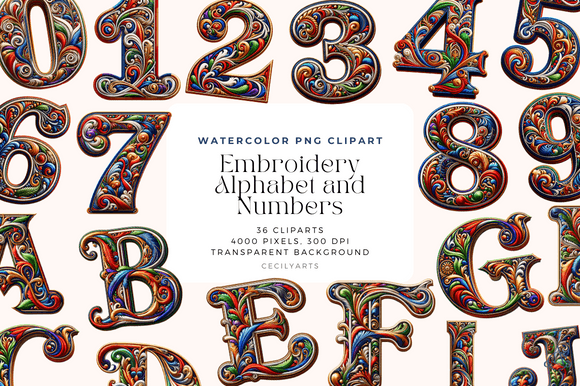
As a designer who spends half my life digitizing and the other half stitching, I have learned that not every pretty graphic translates well to thread. When I first encountered Embroidery Alphabet and Numbers Cliparts, my initial reaction was cautious optimism. The collection promises cute, whimsical, and fun images suitable for scrapbooking and card-making, but my job is to determine if these Illustrations hold up under the needle. Can they survive the tension of a hoop? Do they look professional on a finished product? Let’s dive into a practical evaluation of how these assets perform in real-world embroidery scenarios.
First Impressions: Mood and Visual Personality
The immediate appeal of this collection lies in its playful energy. The shapes are rounded, approachable, and carry a distinct hand-drawn charm that feels less like rigid typography and more like friendly signage. For a designer, this mood is invaluable. It suggests warmth and creativity, making it an ideal candidate for projects that need to feel personal rather than corporate. The layout of the characters avoids excessive complexity, which is often a trap in digital Graphics. However, visual simplicity on a screen does not always guarantee stitching clarity. I looked closely at the curves and terminals of the letters, wondering how they would translate from vector paths to actual stitch patterns.
The Real-World Test: A Custom Tote Bag Scenario
To truly evaluate Embroidery Alphabet and Numbers Cliparts, I imagined a common client request: a set of personalized tote bags for a local boutique’s summer sale. The goal was to create a tote bag design that felt artisanal and inviting. I selected a few characters from the collection to mock up a shop name. On canvas fabric, the whimsical nature of the font shone through. It didn’t look like a mass-produced label; it looked like a handmade product crafted with care.
This is where the distinction between a simple clipart and a viable embroidery project becomes clear. If I were using these for sweatshirt embroidery, the softness of the design would complement the cozy texture of fleece or cotton blends. For baby embroidery items like onesies or burp cloths, the lack of sharp, aggressive angles is a significant advantage. Parents appreciate designs that look gentle and safe, and this aesthetic delivers that trust factor immediately.
Performance Across Different Applications
Versatility is key for any craft business. I considered how these characters would perform across various mediums. For custom apparel like t-shirts, the design needs to breathe. If the stitch density is too high, the fabric puckers. Assuming these cliparts are converted into proper machine embroidery design files with appropriate underlay, they should sit flat on jersey knits. For structured items like caps, the curved surface presents a challenge. Small, detailed elements can get lost or distorted on the front panel of a hat. I would recommend using larger sizes from this collection for headwear to maintain legibility.
In the realm of home decor, such as pillow covers or kitchen towels, the whimsical style adds a touch of personality. A monogrammed tea towel using these numbers and letters makes for an excellent personalized gift. It elevates a basic household item into something special. For Etsy sellers and small shop owners, this type of design asset can speed up the creation of seasonal items. Whether it is holiday embroidery for Christmas ornaments or back-to-school patches, the flexible nature of alphabet and number sets allows for endless customization.
Where Caution Is Required
While the aesthetic is strong, there are technical pitfalls to avoid. If you are working with thin fabric or stretchy materials, the stability of the design is paramount. Whimsical fonts often have thin strokes that can break or look spindly if not properly reinforced. I advise checking the stabilizer choice carefully. A cut-away stabilizer might be necessary for garments that will undergo frequent washing, ensuring the finished product retains its shape.
Another area of concern is dark fabric. If the original clipart relies on subtle color variations or white space, it may not translate well when stitched with light thread on black denim. High contrast is essential for readability. Additionally, tiny lettering can become a blob of thread if the hoop size is too small relative to the detail level. Always test a sample on scrap fabric before committing to a client’s garment. This step saves time, money, and reputation.
Impact on Brand Consistency and Customer Trust
For commercial embroidery projects, consistency is everything. Using a cohesive set of design assets helps build brand recognition. If your shop specializes in cute, family-oriented goods, Embroidery Alphabet and Numbers Cliparts aligns perfectly with that brand voice. Customers subconsciously associate the quality of the design with the quality of the product. A clean, well-executed stitch pattern builds trust. Conversely, a messy or poorly adapted design can deter repeat buyers. By choosing graphics that are inherently balanced and visually appealing, you reduce the risk of stitching errors and enhance the perceived value of your small shop product.
Practical Notes for Designers and Makers
Before integrating these illustrations into your workflow, keep these practical tips in mind:
- Test on Scrap Fabric: Never skip this step. Check how the thread interacts with the specific material you are using.
- Check Thread Color Contrast: Ensure your chosen palette stands out against the background fabric, especially for smaller details.
- Review Stitch Density: If you are digitizing these cliparts yourself, adjust the density to prevent puckering on lighter fabrics.
- Confirm Hoop Size: Make sure the design fits comfortably within your machine’s hoop without hitting the edges.
- Inspect Small Details: Zoom in on the digital file. Are there stray pixels or unclear lines that could cause stitching issues?
- Mockup in Black and White: This helps you see the structure and balance of the design without the distraction of color.
- Verify Licensing: Since the description mentions DIY and crafting, confirm whether the license allows for commercial use if you plan to sell the embroidered patch or garment.
It is also worth noting that while the product description highlights scrapbooking and card-making, transforming these into a digital embroidery file requires careful digitizing. If you are not digitizing them yourself, ensure the provider offers formats compatible with your machine. Look for standard formats like PES, DST, or JEF. Without explicit mention of file types in the source description, it is crucial to ask the seller or check the download package thoroughly.
Final Verdict
Embroidery Alphabet and Numbers Cliparts offers a charming foundation for a variety of creative projects. Its strength lies in its versatility and friendly aesthetic, making it a strong contender for Etsy listings, boutique branding, and personalized gifts. However, success depends on technical execution. By respecting the limitations of fabric and thread, and by performing rigorous testing, you can turn these simple Illustrations into high-quality, profitable products. For designers willing to put in the preparatory work, this collection is a valuable addition to their toolkit, bridging the gap between digital whimsy and tangible craftsmanship.