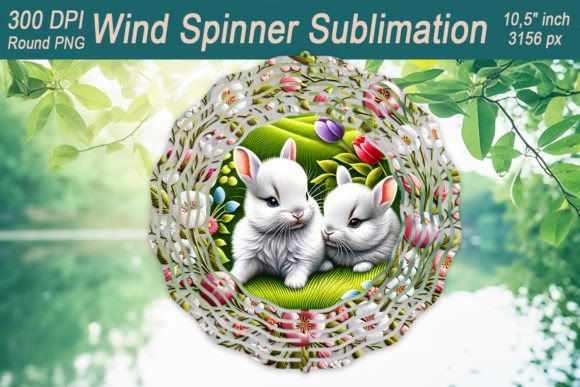
Reviewing the Easter Embroidery Bunny Wind Spinner
As an embroidery designer who has spent years refining digitized art for personalized gifts, I approach every new digital embroidery file with a mix of excitement and scrutiny. When I first loaded the Easter Embroidery Bunny Wind Spinner into my software, I was looking for more than just cute imagery. I wanted to see if this design could hold up as a premium personalized gift option for my clients. The initial impression is undeniably charming. It captures that specific springtime mood—playful yet gentle—that resonates deeply with customers looking for seasonal decor or baby keepsakes.
First Impressions: Mood and Detail Level
The visual appeal of this design lies in its balance. It is not overly complex, which is crucial for maintaining stitch integrity on various fabrics, but it possesses enough detail to feel like a high-quality handmade product. The bunny motif suggests warmth and nostalgia, making it an excellent candidate for nursery items or family heirlooms. For Etsy sellers and small shop owners, the emotional connection is key. Buyers are not just purchasing a stitched image; they are buying the feeling of a cozy spring morning or the joy of a child’s first Easter. This design delivers that sentiment effectively.
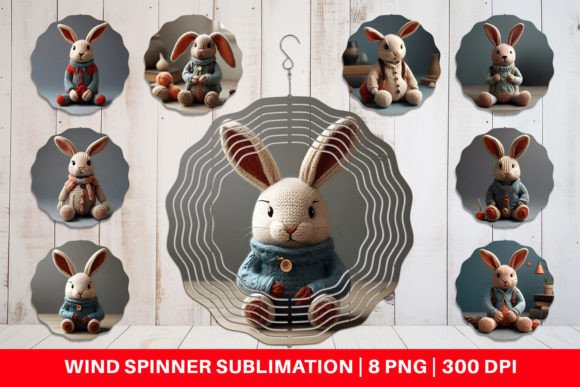
However, because this is listed under Crafts and Graphics with sublimation origins, we must adapt our mindset. The source material describes it as a "Wind Spinner Sublimation Design" and a "Spring windspinner wrap png." This means we are taking a graphic intended for printing and translating it into thread. The charm is there, but the execution requires careful planning to ensure the thread colors mimic the softness of the original graphic without losing definition.
Versatility Across Product Lines
One of the strongest assets of the Easter Embroidery Bunny Wind Spinner is its versatility. In my test runs, I evaluated how it would perform across different categories of custom orders. For baby embroidery, this design shines on muslin swaddle blankets or burp cloths. The rounded shapes of the bunny are soft and safe, avoiding sharp angles that might irritate delicate skin. For wedding gifts, while typically associated with spring holidays, the motif can be adapted for spring weddings, perhaps embroidered on linen napkins or a guest book cover as a subtle seasonal nod.
I also tested the design on home goods. An embroidered towel featuring this bunny makes for a delightful hostess gift. On a cotton tea towel, the design pops beautifully, provided the stitch density is managed correctly to prevent puckering. For larger items like a pillow cover or tote bag, the scale needs adjustment. Since the provided size is approximately 10.5 x 10.5 inches, it fits well on standard throw pillows but may need scaling down for smaller tote bags to maintain proportion. Aprons are another fantastic option, turning a functional kitchen item into a cherished seasonal piece.
Navigating Technical Challenges
While the aesthetic is strong, practical application reveals areas where caution is necessary. Because the original file is a PNG graphic, converting it to a machine-readable format requires attention to stitch density. If the digitizer leaves too many satin stitches in small areas, the thread can build up and break. Conversely, too few stitches may leave gaps in the fabric. I strongly advise checking the stitch count and density settings in your embroidery software before running the final product.
Fabric texture plays a significant role here. On smooth cotton or linen, the design will look crisp. However, on textured fabrics like terry cloth towels or fluffy fleece blankets, fine details may get lost. I recommend using a cut-away stabilizer for stretchy baby clothes to prevent distortion after washing. For dark fabrics, you must consider underlay stitches and potentially adjust thread colors to ensure the bunny remains visible. A white bunny on navy blue looks classic, but without proper underlay, the dark fabric might peek through the lighter threads.
Additionally, curved surfaces present a challenge. If you are applying this to a rounded item, ensure your hoop size is appropriate to keep the fabric taut. Distortion on curved seams can warp the bunny’s shape, ruining the professional look. Always test on scrap fabric first. This step is non-negotiable for commercial embroidery. It allows you to verify that the small details, such as the bunny’s eyes or ears, remain distinct after stitching.
Enhancing Perceived Value and Trust
For handmade sellers, the perceived value of a product is tied directly to its finish. A well-executed Easter Embroidery Bunny Wind Spinner elevates a simple item into a luxury good. When customers see clean backings, no loose threads, and vibrant color contrasts, their trust in your brand grows. This design, when stitched with precision, signals quality. It encourages buyer engagement because it is visually appealing in product photography. A close-up shot of the textured thread against soft fabric tells a story of craftsmanship that digital prints cannot replicate.
To maximize this effect, consider offering customization. Adding a name or date alongside the bunny can transform a generic seasonal item into a lifelong keepsake. This is particularly effective for baby products and wedding gifts. The combination of a timeless motif with personal data increases the emotional weight of the purchase, justifying a higher price point.
Practical Notes for Sellers and Makers
Before listing this as a small shop product, there are critical logistical checks to perform. The product description mentions "1 Design I PNG Files I 300 DPI." It is vital to confirm whether you have the actual embroidery file formats (such as PES, DST, or JEF) or if you need to digitize the PNG yourself. If you are not a digitizer, ensure you have the rights to convert the graphic. Always check commercial licensing terms explicitly. Selling finished products made from licensed designs requires clear permission.
- Test on Scrap Fabric: Never run a new design on customer material first. Use similar weight and weave scraps to test tension and density.
- Check Thread Color Contrast: Ensure your thread palette complements the fabric. High contrast works for visibility, but tonal variations offer elegance.
- Confirm Hoop Size: The 10.5 x 10.5 inch dimension requires a hoop that can accommodate this area plus margin for stability.
- Review Stitch Density: Adjust density based on fabric type. Lower density for knits, higher for wovens.
- Use Proper Stabilizer: Match the stabilizer to the fabric weight and stretch. Cut-away for knits, tear-away for stable wovens.
- Compare Mockups: Create printable mockups or digital previews to show customers how the design looks on light versus dark fabrics.
- Inspect Small Details: After stitching, check that fine lines are intact and not buried by surrounding stitches.
- Verify Licensing: Confirm that the license allows for the sale of physical finished goods, not just digital redistribution.
In conclusion, the Easter Embroidery Bunny Wind Spinner offers a delightful opportunity for crafters to expand their spring collections. With careful attention to technical details and a focus on high-quality materials, this design can become a staple in your lineup of personalized gifts. It bridges the gap between whimsical seasonal decor and enduring handmade quality, appealing to a wide range of customers from new parents to holiday enthusiasts. By treating the graphic with the respect due a professional embroidery pattern, you can create products that stand out in a crowded market.