Reviewing the Glass Can Sheep Easter Embroidery
As a designer who has spent countless hours digitizing patterns and troubleshooting machine quirks, I approach every new machine embroidery design with a mix of curiosity and skepticism. We have all been there: downloading a file that looks perfect on the screen but turns into a tangled mess of thread breaks and puckering on the fabric. Today, I am taking a close look at the Glass Can Sheep Easter Embroidery, evaluating it not just as a digital asset, but as a practical tool for real-world production.
The first thing that strikes me about this design is its whimsical charm. It captures the essence of spring with a playful aesthetic that feels both modern and timeless. For those of us running a craft business or selling on platforms like Etsy, finding designs that resonate emotionally with buyers is half the battle. This piece does not just sit on the fabric; it invites interaction. The layout suggests a high level of detail, which immediately raises questions about stitch density and execution on various textiles.
First Impressions and Visual Appeal
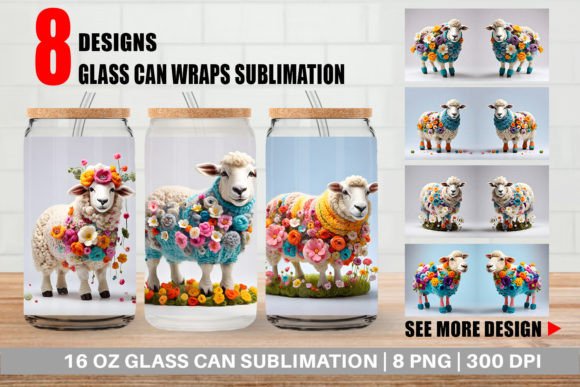
When I loaded the preview, the clarity was evident. The sheep motif is central, likely utilizing a combination of fill stitch for the body to create texture and satin stitch for outlines or facial features to ensure crisp definition. In the world of Graphics and Crafts, visual balance is everything. If the design is too dense, it becomes stiff; if it is too sparse, it lacks impact. This design appears to strike a careful balance, offering enough coverage to be vibrant without overwhelming the base material.
The mood is lighthearted, making it an ideal candidate for holiday embroidery projects. However, its versatility extends beyond just Easter. I can easily see this adapted for spring-themed collections, baby showers, or even as a quirky accent on everyday items. The personality of the design lends itself well to personalized gift markets, where customers are looking for something unique rather than mass-produced.
Real-World Application: Beyond the Screen
Let us move from theory to practice. Imagine you are preparing a batch of custom orders for a local boutique. You decide to use this design on a heavy-weight cotton tote bag design. The sturdy canvas provides an excellent foundation for the stitches, allowing the thread colors to pop against the neutral background. The result is a durable, eye-catching product that justifies a higher price point due to the perceived craftsmanship.
Alternatively, consider sweatshirt embroidery. Here, the texture of the fleece or French terry fabric interacts differently with the needle. The plush surface can sometimes swallow finer details, so I would recommend testing the design on a scrap piece first. If the sheep’s features remain distinct, you have a winner for cozy, seasonal apparel. For baby embroidery, such as on onesies or burp cloths, the softness of the final product is paramount. Ensuring that the back of the embroidery is clean and free of scratchy trimmings is crucial for customer satisfaction and safety.
Another viable option is creating an embroidered patch. Patches are trending heavily in the small shop product market. By stitching this design onto a twill backing and cutting it out, you create a versatile accessory that customers can iron or sew onto jackets, hats, or backpacks. This approach maximizes the utility of a single digital embroidery file, allowing you to offer multiple products from one asset.
Navigating Technical Challenges
While the design is appealing, we must address the technical realities. The description notes that this is a full wrap for a Libbey 16oz glass can, including 8 PNG files at 300dpi. This is a critical distinction. As an embroidery reviewer, I must clarify that PNG files are raster images, not vector-based embroidery files like PES or DST. This means you cannot directly load these PNGs into an embroidery machine. Instead, these graphics are likely intended for sublimation, printing, or as reference images for manual digitizing or print-on-demand services.
If you are planning to use this as a reference to create your own applique design or to guide a print process, the resolution of 2910 x 1470px is sufficient for high-quality output. However, if you intend to embroider this motif, you will need to digitize it properly or ensure you have the corresponding stitch file. Assuming you are using the graphic for printed wraps or as a template for hand-guided work, here are some considerations:
- Fabric Texture: On textured fabrics like linen or burlap, fine lines may get lost. Ensure high contrast between the thread colors and the fabric.
- Stabilizer Choice: Even for printed applications, if you are combining embroidery with print, use a cut-away stabilizer for stretchy fabrics to prevent distortion.
- Hoop Size: If digitizing from this graphic, check that the final dimensions fit your standard hoop sizes. A design that is too large may require splitting or re-digitizing for smaller hoops.
- Dense Stitch Areas: If converting to embroidery, watch out for dense areas that could cause puckering. Use underlay stitches effectively to anchor the design.
For those using the PNGs for sublimation on glass cans, the process is different but equally demanding. The curvature of the can requires precise alignment. The 9.7x4.9 inch size is specific to the Libbey can, so accuracy in printing is vital to avoid gaps or overlaps in the wrap.
Commercial Viability and Brand Consistency
From a business perspective, the Glass Can Sheep Easter Embroidery offers strong potential for commercial embroidery and related crafts. Its cute aesthetic appeals to a broad demographic, from parents to young adults. Using this design in your Etsy seller portfolio can enhance your brand’s perception as trendy and attentive to seasonal trends.
However, professionalism is key. Before listing any finished product, conduct thorough quality checks. Test the design on black and white mockups to ensure visibility. Verify that the colors you choose align with your brand identity. If you are selling physical goods, consider how the design holds up after washing. For printed wraps on glass, ensure the sealant used is dishwasher safe if that is a selling point.
Final Designer Notes
To get the most out of this asset, I recommend the following steps:
- Verify Usage Rights: Confirm whether the license allows for commercial use of the finished products. This is essential for design assets used in revenue-generating projects.
- Test on Scrap Fabric: Never skip this step. See how the image translates to your chosen medium, whether it is print or stitched.
- Check Contrast: Ensure the sheep stands out against the background. Adjust brightness and contrast if necessary before printing or digitizing.
- Consider the End User: Think about who will buy this. Is it a gift? A personal treat? Tailor your marketing message to their needs.
In conclusion, the Glass Can Sheep Easter Embroidery is a charming addition to your creative toolkit. While the provided files are graphics rather than direct embroidery stitches, they serve as an excellent foundation for various embroidery project adaptations or printed merchandise. With careful attention to technical details and a focus on quality execution, this design can elevate your handmade product line and delight your customers. Always remember that the best designs are those that are not only beautiful but also practical and well-executed in the real world.