Reviewing Western Blue Embroidery Aztec Knitted for Merch
As an embroidery designer who has spent years digitizing files and consulting with small business owners, I have learned that not every pretty graphic translates well into thread. When a client brings me a new concept for their branded merchandise, my first job is to assess its viability for production. Recently, I evaluated Western Blue Embroidery Aztec Knitted, a digital asset that caught my eye for its potential in the handmade and boutique sectors. This review focuses on how this specific design performs when moved from a screen to actual fabric, specifically for small business merch, branded patches, and custom apparel.
First Impressions and Visual Personality
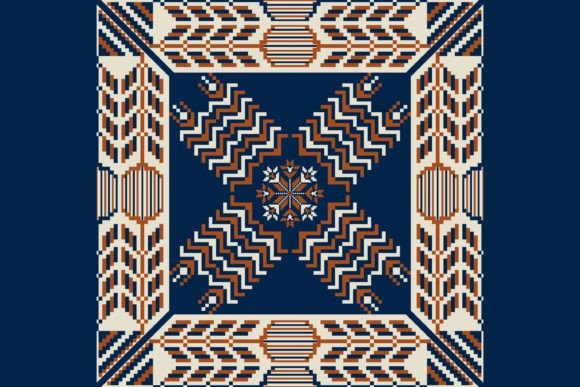
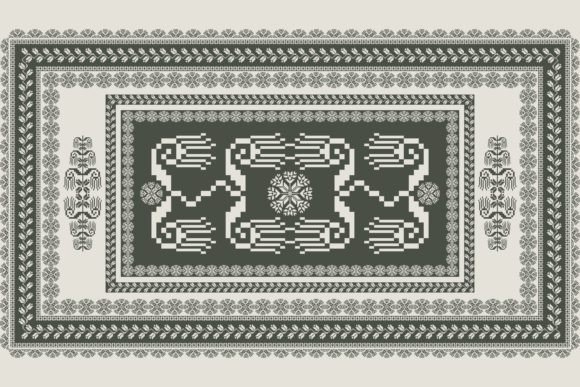
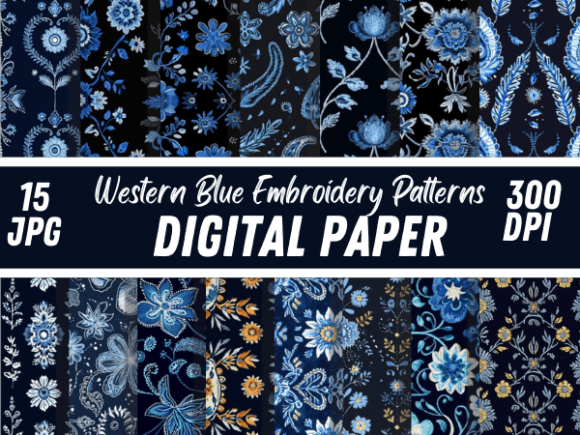
The title Western Blue Embroidery Aztec Knitted suggests a fusion of styles. It hints at the rugged, timeless appeal of Western aesthetics mixed with the geometric precision of Aztec patterns, all rendered with the softness of knitted textures. Upon reviewing the provided specifications—15 digital papers within a zip file, 4096 x 4096 pixels, and 300 DPI resolution in JPG format—it is clear that these are high-resolution graphics intended for visual design rather than pre-digitized machine embroidery files.
For a brand identity, this combination feels both professional and friendly. The "knitted" aspect adds a layer of warmth and approachability, which is crucial for businesses like bakeries, florists, or pet brands that want to appear handmade and caring. The "Western" and "Aztec" elements introduce a bold, rustic character that can elevate a simple tote bag or apron into a statement piece. However, because these are graphics and not native embroidery formats, the transition to thread requires careful planning by a skilled digitizer.
Real-World Applications for Small Business Merch
When considering where to apply Western Blue Embroidery Aztec Knitted, I look at items that benefit from texture and visual interest. For a local café or creative studio, this design could serve as a striking chest logo accent on staff uniforms. The blue tones likely offer excellent contrast against neutral fabrics like khaki, grey, or white, ensuring high visibility without being overly aggressive.
- Embroidered Patches: This is perhaps the strongest use case. A patch allows for higher stitch density and more detail than direct-to-garment embroidery. Using this Aztec-inspired pattern on a circular or shield-shaped patch can create a premium feel for customer gifts or event merch.
- Apron Embroidery: For boutiques and handmade product sellers, branded aprons are essential. Placing a simplified version of this pattern on the bib or pocket adds a touch of elegance and reinforces brand recognition every time an employee interacts with a customer.
- Tote Bag Design: Canvas tote bags are a staple for Etsy sellers and craft fairs. The robust nature of canvas fabric supports the heavier stitch count required to mimic the "knitted" look of the original graphic, making it a durable and attractive promotional item.
- Cap Embroidery: While challenging due to the curved surface, a simplified element from this bundle could work beautifully on the side panel of a baseball cap, offering a subtle nod to the brand’s aesthetic without overwhelming the wearer.
Navigating Production Challenges
While the visual appeal is strong, there are technical hurdles to consider. Since Western Blue Embroidery Aztec Knitted is provided as a JPG graphic, it lacks the inherent stitch data needed for embroidery machines. A professional digitizer must convert this image, paying close attention to stitch density and thread colors.
One major concern is the "knitted" texture. In embroidery, mimicking knitwear often requires complex fill stitches or satin borders. If the design is too detailed, it may become bulky or stiff, especially on smaller items. I advise testing the design in black and white first to check for clarity. If the details blur together without color, the design may be too intricate for small patch sizes or cap fronts. Additionally, curved surfaces like hats require careful stabilization to prevent puckering, which can distort the geometric Aztec lines.
Another critical factor is fabric texture. On smooth fabrics like polo shirts, the design will pop. However, on textured fabrics like fleece or heavy denim, the fine details of the Aztec pattern might get lost. Always test on the actual fabric you intend to use for your finished product. Use proper stabilizer to support the stitch count, especially if you are aiming for a dense, premium look.
Impact on Brand Identity and Customer Trust
Consistency is key to building trust. Using a cohesive visual theme like Western Blue Embroidery Aztec Knitted across various touchpoints—from packaging accents to employee uniforms—creates a memorable brand experience. Customers associate high-quality embroidery with professionalism and attention to detail. When they see a well-executed embroidered patch on a tote bag or apron, it signals that the business values quality, which can justify higher price points for handmade products.
Furthermore, unique design assets help differentiate your brand in a crowded market. Instead of using generic clipart, leveraging a distinctive pattern like this one can enhance buyer engagement. It tells a story of craftsmanship and cultural appreciation, resonating with customers who value authenticity. For Etsy sellers and crafters, this visual consistency can lead to higher conversion rates and repeat business.
Practical Notes for Designers and Business Owners
Before committing to production, there are several steps you must take to ensure success. First, confirm commercial licensing. While the product description mentions a bundle of digital papers, it does not explicitly state the license terms for commercial embroidery use. Always verify this with the seller to avoid legal issues.
- Digitization Quality: Do not attempt to auto-digitize complex graphics. Hire a professional or use advanced software to manually create the embroidery file, ensuring optimal stitch direction and underlay.
- Mockups: Create a printable mockup or a digital simulation to show clients or stakeholders. This helps visualize how the blue tones interact with different fabric colors.
- Test Runs: Stitch out a sample on scrap fabric identical to your final product. Check for thread breaks, tension issues, and overall appearance.
- Scale Appropriately: Ensure the design fits within your hoop size. For small items like labels or tiny patches, simplify the design to maintain clarity.
In conclusion, Western Blue Embroidery Aztec Knitted offers a rich visual foundation for small business merchandise. With careful digitization and thoughtful application, it can transform simple items like aprons, caps, and tote bags into powerful branding tools. By respecting the technical limitations of embroidery and focusing on quality execution, you can leverage this design to enhance your brand identity and delight your customers.